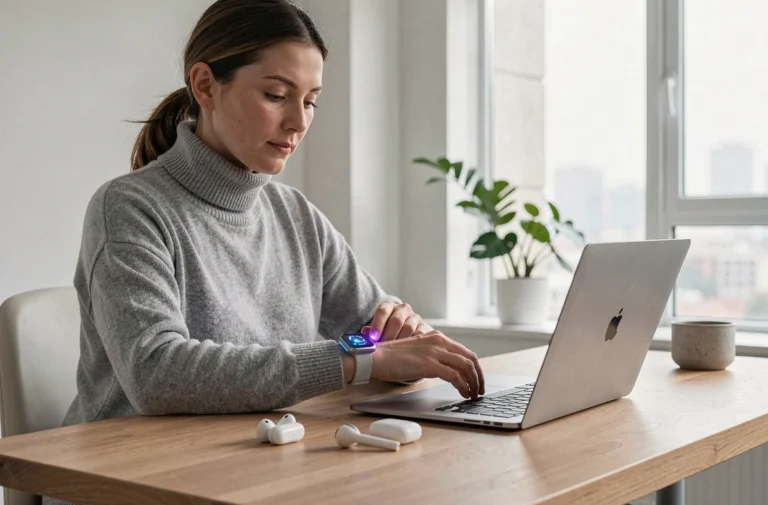
A runner who keeps experiencing knee pain because their shoes are too stiff for their stride, or a weightlifter whose dumbbells rust after six months because they bought the cheapest ones online: choosing the wrong equipment slows progress and kills the motivation to train.
Choosing the right sports equipment starts with accepting that product listings don’t tell the whole story. What matters is whether the equipment suits your actual activity and how long you can use it without having to replace everything.
Repairability and lifespan: the criteria product listings overlook
When comparing two pairs of running shoes or two weight benches, the natural instinct is to look at the purchase price and technical specifications. The cost of use over two or three years is almost always overlooked.
In France, the repair bonus introduced in late 2022 also covers certain sports, DIY and gardening items. The scheme relies on QualiRépar-certified repairers, which means that before buying an elliptical trainer or rowing machine, you can check whether spare parts and a repair network are available for that model. Repairable equipment costs less over time than disposable models.
The repairability index, meanwhile, applies only to certain categories of electrical and electronic products. It therefore does not automatically cover all sports equipment. For non-electronic fitness accessories (dumbbells, resistance bands, mats), check directly with the manufacturer for parts availability and warranty terms.
Specialist catalogues make it possible to compare the available range and technical specifications before visiting a store: https://www.abcsports.fr, for example, lists several equipment categories with their specifications.
Home fitness equipment: match your gear to your space and workout
Buying a bulky weight machine for a small apartment is the surest way to see it become a coat rack after three weeks. Before placing an order, measure the available space and decide what kind of training you want to do.
Three questions to ask before buying home fitness equipment:
- Will the equipment fit in the designated space when unfolded, with enough room to move around it (arms fully extended, room to move back from a rowing machine)?
- Is storage practical? A folding bike can be put away; a weight bench with a rack, rarely.
- Does the equipment suit workouts you’ll actually do several times a week, or a short-lived goal you’ll soon abandon?
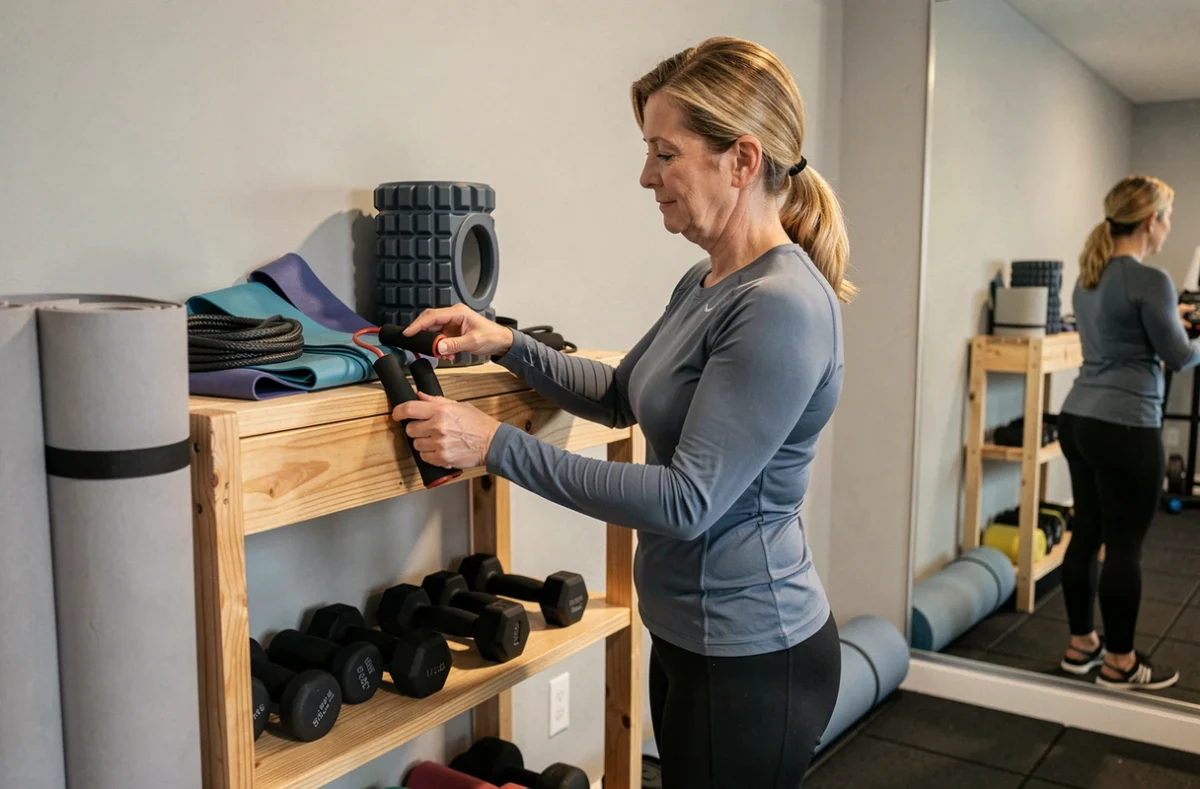
For home cardio, a jump rope and a mat are enough to get started. You don’t need a high-end elliptical trainer to build a routine. Starting with simple equipment lets you establish a regular habit before investing more.
For strength training, a set of adjustable dumbbells and a variable-resistance band cover most upper- and lower-body exercises. Add an adjustable bench only when you’re working out more than four times a week and your weights have stopped increasing.
Running shoes and clothing: comfort matters more than the brand
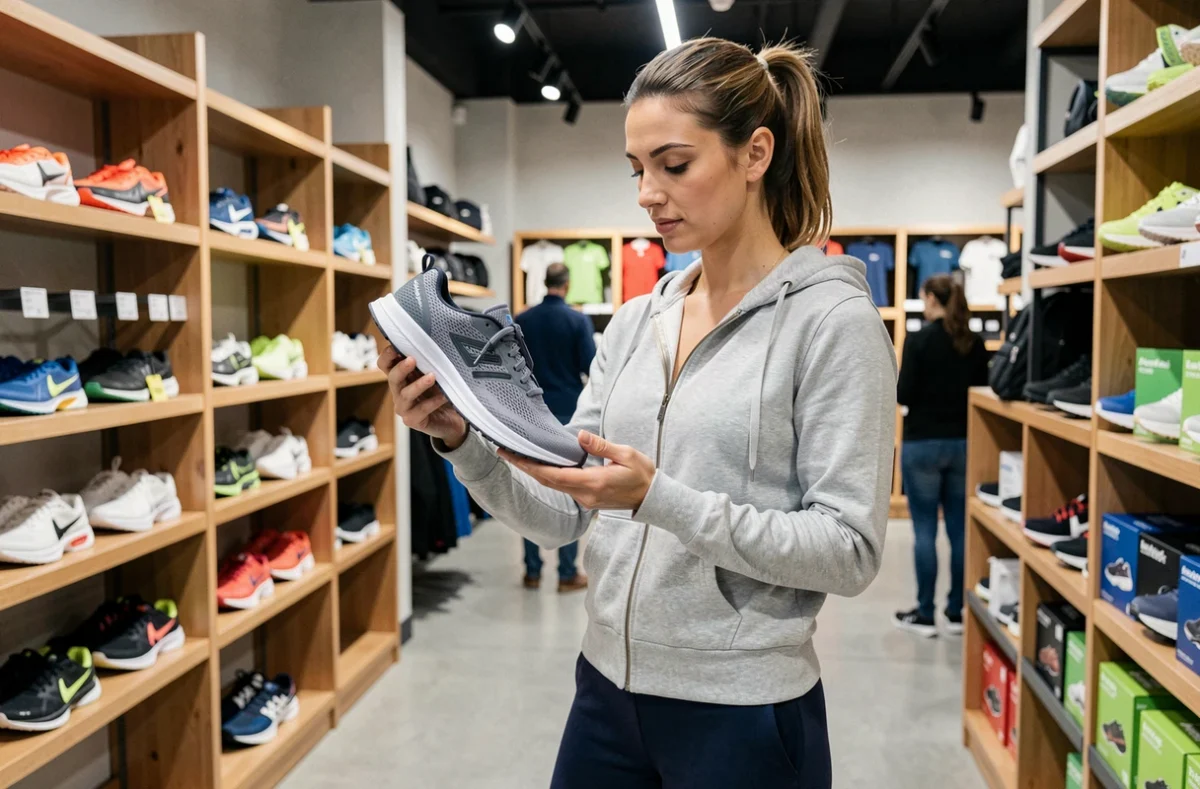
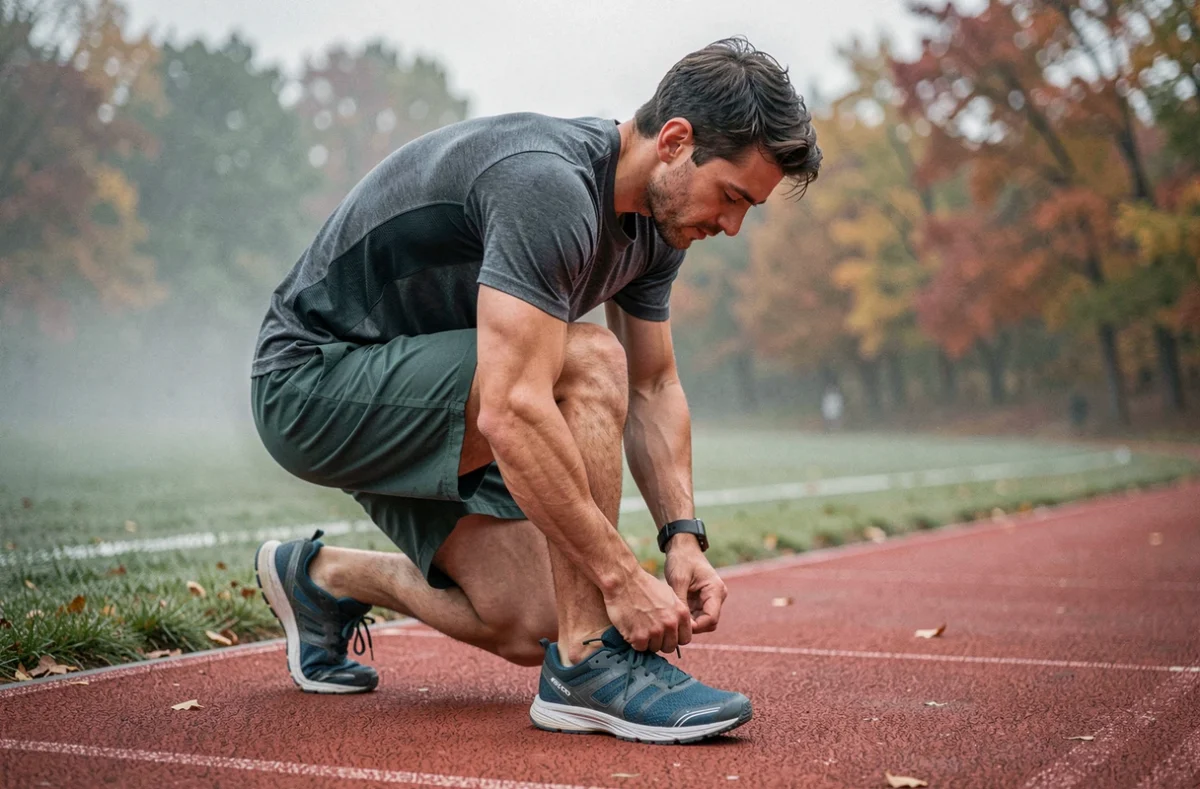
Shoes are where a poor choice can cost you the most—not financially, but physically. A pair that doesn’t suit your stride or foot shape can cause pain that puts you off running within weeks.
Try shoes on at the end of the day, when your feet are slightly swollen, for a more reliable sense of how comfortable they’ll be when running. Leave at least half a centimetre of space in front of your toes. The heel should feel secure without squeezing, and the sole should suit the type of surface you run on (road, trail or treadmill).
For workout clothes, fabric matters more than the logo. Breathable, quick-drying fabric prevents discomfort and chafing during exercise. Cotton feels comfortable at rest, but absorbs sweat and becomes heavy. Choose synthetic fibres or technical blends, even at the entry level.
Sports equipment safety: what the French Sports Code requires
For shared or outdoor use, equipment quality is about more than comfort. The French Sports Code regulates the installation and maintenance of certain equipment, such as goals and basketball hoops, to prevent falls and tipping. If you install equipment in a garden or shared space, checking the anchoring systems and maintenance instructions is a requirement, not an option.
For individual equipment used at home or in the gym, CE marking is the minimum requirement. Check that the stated maximum load matches the intended use and that locking mechanisms (dumbbell clips, machine pins) work without any play.
New, second-hand or rented: how to choose based on your activity
ADEME reports an increase in repairs of textiles, household linen and footwear between 2020 and 2024 in the panel it studied. This figure does not cover all sports equipment, but it reflects a broader trend: reuse and repair are becoming more common purchasing habits.
For strength and fitness equipment, buying second-hand makes sense for simple, durable items such as bars, cast-iron plates and kettlebells. These products hardly wear out. A second-hand treadmill, however, comes with risks (a worn belt or a motor nearing the end of its life) that are difficult to assess without trying it out.
- Good second-hand buys: dumbbells, weight plates, kettlebells, basic benches in good structural condition
- Inspect carefully before buying second-hand: cable machines, elliptical trainers, rowing machines (check cables, bearings and resistance)
- Better bought new: running shoes (worn cushioning is invisible), helmets (protection may be compromised after an impact), resistance bands (hairline cracks may be hard to detect)
Short-term rentals are available for some bulky equipment. Renting a rowing machine or bike for a few weeks lets you try it before committing, reducing the risk of an unnecessary purchase.
The best sports equipment isn’t the one that looks most impressive on the shelf. It’s the equipment you’re still using six months later, that can be repaired when it wears out, and that suits your actual workouts—not a Sunday-night ambition. Modest equipment you know how to use is better than a major investment gathering dust.