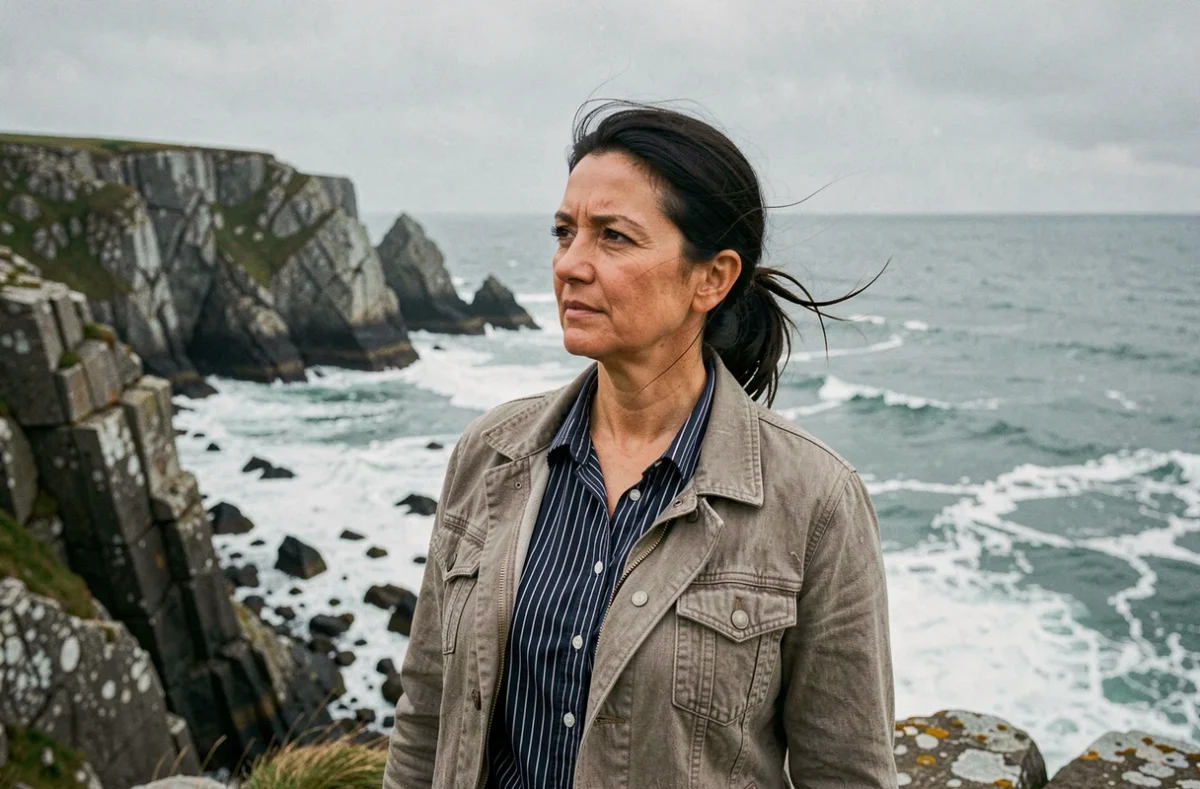
Every summer, Brittany attracts millions of visitors to its coastal headlands and islands. Summer visitor numbers rose again in 2025, according to Insee, but that recovery masks regional differences: in Côtes-d’Armor, the start of summer was slow before visitor numbers picked up in late July. In other words, when and where you go can radically change your experience. Discovering the region in a different way starts with shifting your usual perspective, both geographically and seasonally.
Economic tourism in Brittany: visit workshops instead of monuments
Have you noticed how traditional travel guides hop from one chapel or lighthouse to the next? There’s another way to explore the region: through its living trades and crafts.
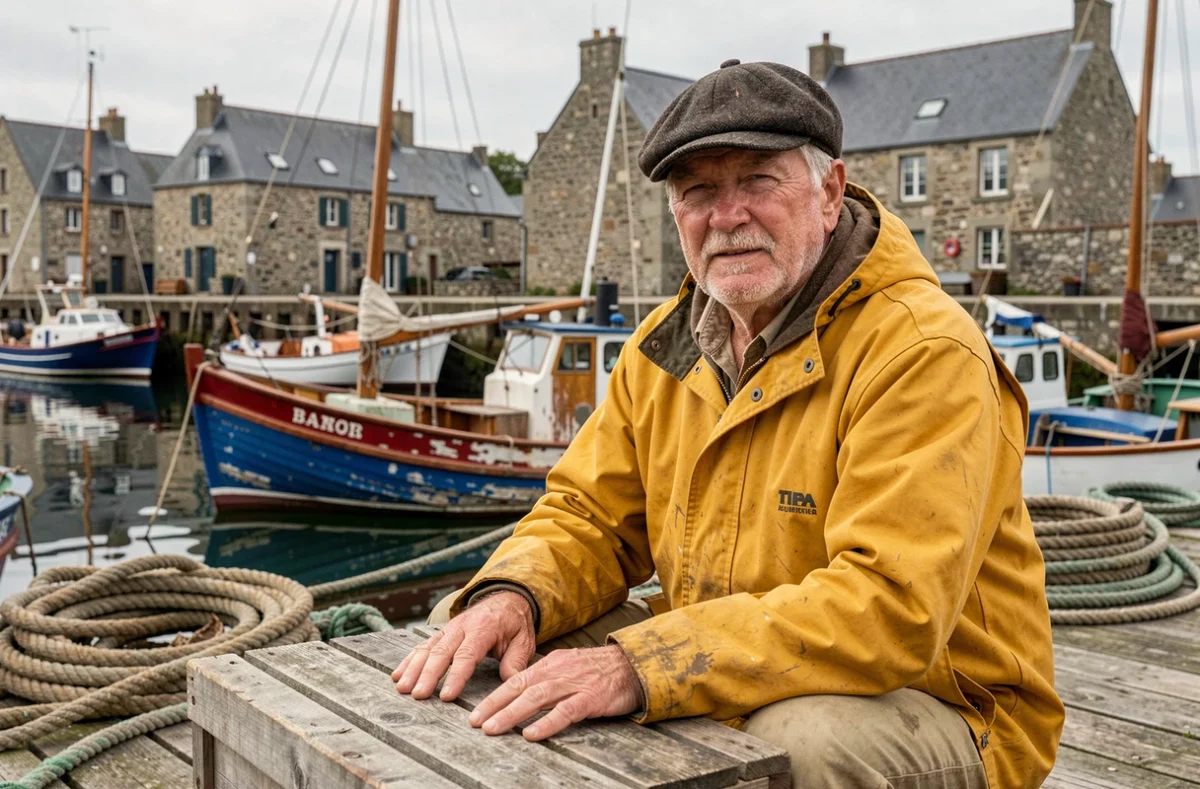
The Economic Tourism and Know-How Weeks open the doors of businesses, workshops, farms, ports and laboratories. More businesses took part in 2025 than in 2024, a sign that professionals in Brittany want to show the public how they work. Instead of photographing a building, you can watch an oyster farmer at work or listen to a brewer explain their recipe.
This format has a practical advantage: these visits take place on weekdays and away from the coast, naturally spreading out visitor numbers. Visitors directly support the local economy without adding pressure to already overcrowded sites. Specialist media such as Daily Breizh regularly share news of these initiatives, making it easier to find upcoming workshop openings before planning your getaway.
Island getaways in Brittany: plan ahead for visitor limits and access restrictions
The Breton islands top many travel wish lists. Belle-Île, Ouessant, Bréhat: their names alone are enough to spark dreams. The logistics, however, require some planning.
Bréhat has introduced visitor quotas to limit pressure during the summer. Shuttle services depend on the weather, facilities on the island are limited, and the trails are suffering from erosion caused by overcrowding. Setting off for an island without checking the current access rules could leave you stranded at the port for the day.
A few things to do before booking an island getaway:
- Check crossing conditions and any visitor limits online, directly on the relevant ferry operator’s website, several weeks before departure.
- Choose May, June or September, when services are running but visitor numbers are lower.
- Plan mainland alternatives: a day trip cancelled because of the weather shouldn’t jeopardize your entire stay.
A successful island getaway takes the same preparation as a mountain hike: check access, choose your dates carefully and have a backup plan.
Off-season Brittany: autumn and winter experiences to discover
The European EXPERIENCE project, carried out in the Bay of Morlaix and Côtes-d’Armor, developed tourism experiences specifically for autumn and winter. The aim is to extend the season and provide work for local businesses beyond the summer months.
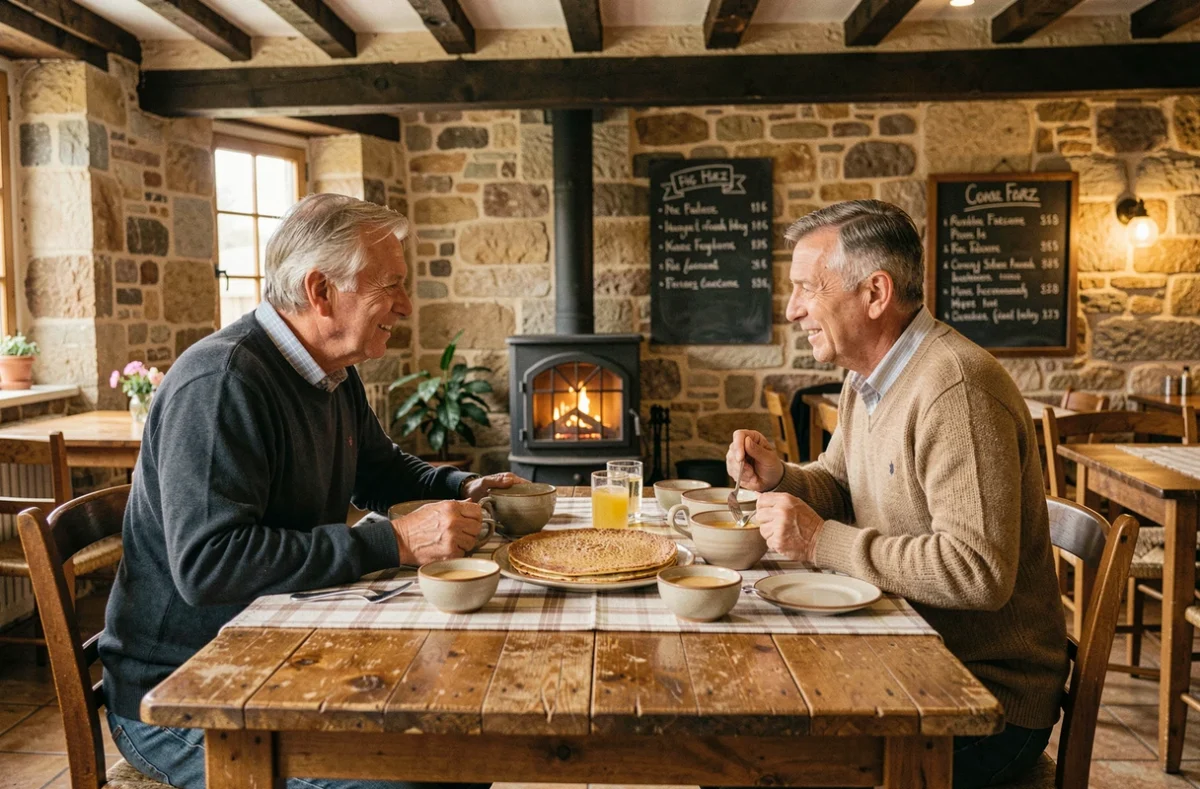
Why? Because Brittany in the off-season offers experiences that summer can’t. The low November light over the heath, storms watched from a safe coastal path, farmers’ markets where you can chat one-on-one with a market gardener: the shoulder season reveals a more accessible and authentic side of Brittany.
The time of year also affects prices. Accommodation is considerably cheaper between October and March. Rural holiday cottages and B&Bs, often fully booked in July, are happy to welcome visitors who choose different dates.
Street art and industrial heritage in Morlaix: an unexpected urban itinerary
Morlaix doesn’t feature on most traditional tourist itineraries. Yet the town is well worth a detour for a route that brings contemporary art and local history together.
The former funicular tunnel, opened to the public in April 2025, hosts an immersive urban art exhibition. This underground site, a remnant of the town’s industrial heritage, joins the murals dotted around its streets to form the Morlaix Arts Tour. In just a few hundred metres, you can go from an open-air gallery to an enclosed, carefully staged space.
Morlaix brings industrial heritage and street art together on a free walking route. It’s a great example of an urban getaway in Brittany that relies neither on the coast nor on a listed monument—and works just as well in the rain as in the sunshine.
Plan a Breton getaway that benefits local residents and traditional skills
It’s worth asking the question directly: how can you visit Brittany without repeating the patterns that put its most fragile sites under strain?
A few practical principles can help you plan a different kind of stay:
- Choose a homestay or rural holiday cottage instead of a chain hotel in a coastal town: the economic benefits stay in the local area.
- Include at least one business or craft workshop visit in your itinerary, using the experiences offered by Brittany’s economic tourism sector.
- Choose different dates: a stay in October benefits local businesses more than a week in August, when everything is already full.
- Swap a day on an overcrowded island for a hike in the Brocéliande Forest or a walk in the Monts d’Arrée, where the scenery is just as spectacular.
Brittany doesn’t lack visitors in summer. What it needs is for visitors to spread out across the year and throughout the region. Simply adjusting your dates, destinations and activities can turn an ordinary trip into a getaway that also benefits the people who live there year-round.