
The Makita LS1018L is one of those miter saws that has been circulating for years on DIY and woodworking forums without ever really leaving the discussions. Equipped with a 260 mm blade and a motor that allows it to cut through generous sections, it remains a model that is regularly recommended. However, Makita has since launched the LS1019L, which changes the game for anyone hesitating between the two.
Positioning of the LS1018L in the Makita range in 2025
Before discussing cutting and precision, it’s important to situate this machine. The LS1018L is no longer Makita’s flagship model for 260 mm miter saws. The LS1019L has replaced it in the catalog with a more compact sliding system and slightly higher cutting capacity.
The LS1018L finds itself in a position as a tried-and-true model, often available at a reduced price from certain retailers. Several distributors now offer it on a special order basis only, complicating impulse purchases. If you are considering this model, also check the availability of spare parts and compatible blades in the long term.
In practical terms, buying an LS1018L today means betting on a tool whose reliability is documented by years of user feedback. A detailed test and review of the Makita LS1018L allows you to measure what this machine still offers compared to current competition.
Laser guiding system and actual cutting precision
The “L” in LS1018L stands for the integrated laser. This fine line projected onto the workpiece indicates the cutting line before the blade descends. In theory, this is a significant time saver. In practice, the quality of the laser depends heavily on ambient lighting.
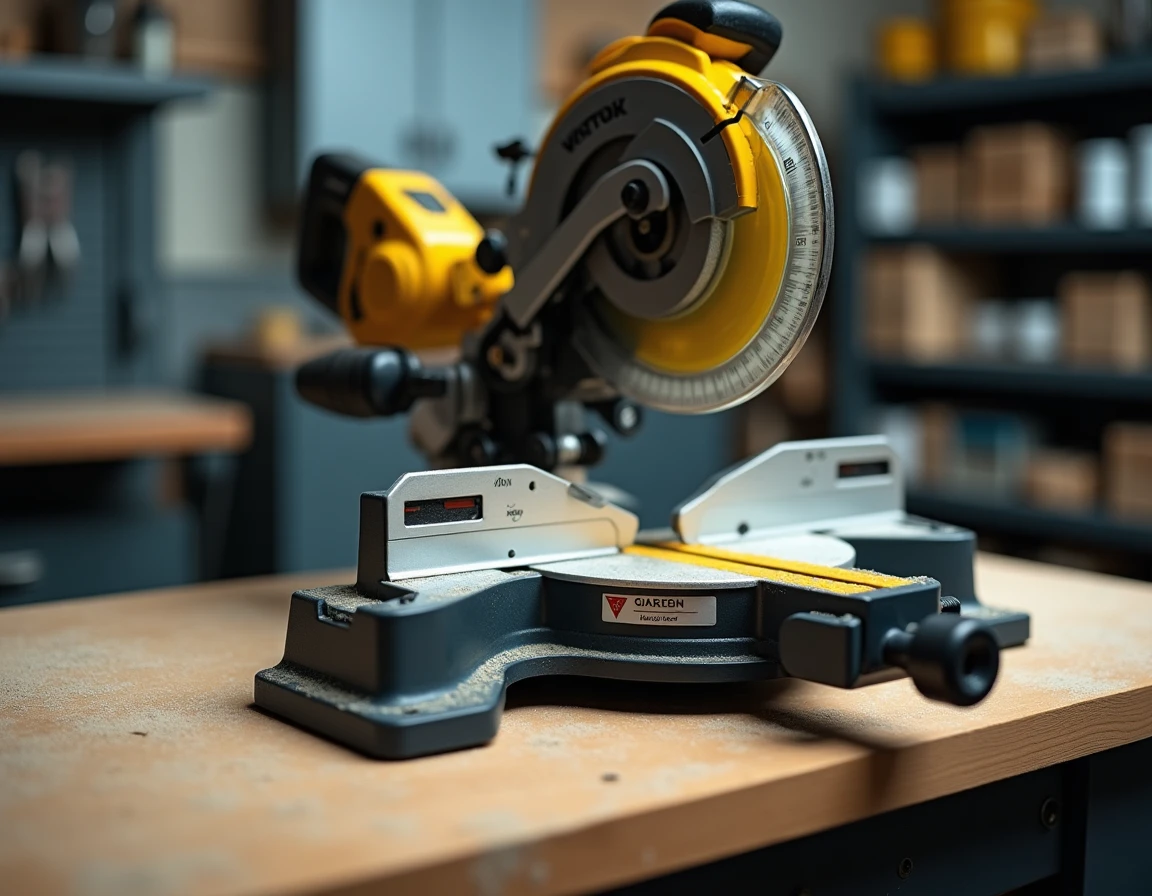
In a closed workshop, the laser is clearly visible and allows for aligning the cut without pencil marking. Outdoors, in sunny weather, it becomes almost invisible. This detail surprises buyers who work on-site.
Have you ever noticed that a new saw cuts perfectly straight, then loses half a degree after a few months? The precision of a miter saw degrades with wear on the slides. On the LS1018L, several users report that play appears in the guiding system after intensive use. Regular recalibration of the miter system and checking the parallelism of the blade relative to the guide then become necessary.
This is not a flaw specific to this model. All miter saws in this price range exhibit this behavior. The difference lies in the ease of adjustment, and on this point, the LS1018L remains accessible even for a methodical DIYer.
Makita LS1018L compared to semi-professional saws like Holzprofi
Standard comparisons pit the LS1018L against other Makita models or against Bosch and DeWalt models. Brands focused on workshop use, like Holzprofi, are rarely mentioned. Why this comparison? Because a demanding DIYer investing in a Makita miter saw often wonders if they should upgrade.
User feedback from those who have tested both categories points out several concrete differences:
- The guiding and table of the LS1018L are less rigid than on a semi-pro workshop machine, which is felt in repetitive series cuts.
- The lightness of the Makita becomes a real advantage for mixed job site-workshop use, where a Holzprofi is significantly heavier and often remains fixed to a workbench.
- The dust extraction on the LS1018L works adequately with an external vacuum, but the design of the casing does not capture all the chips, a common point among most miter saws in this category.
If your main use involves installing baseboards, cutting frames, or adjusting deck boards, the LS1018L gets the job done. For mass production on hardwoods, a table saw with more robust guiding will be more comfortable.
Maintenance and durability of the Makita LS1018L in the long term
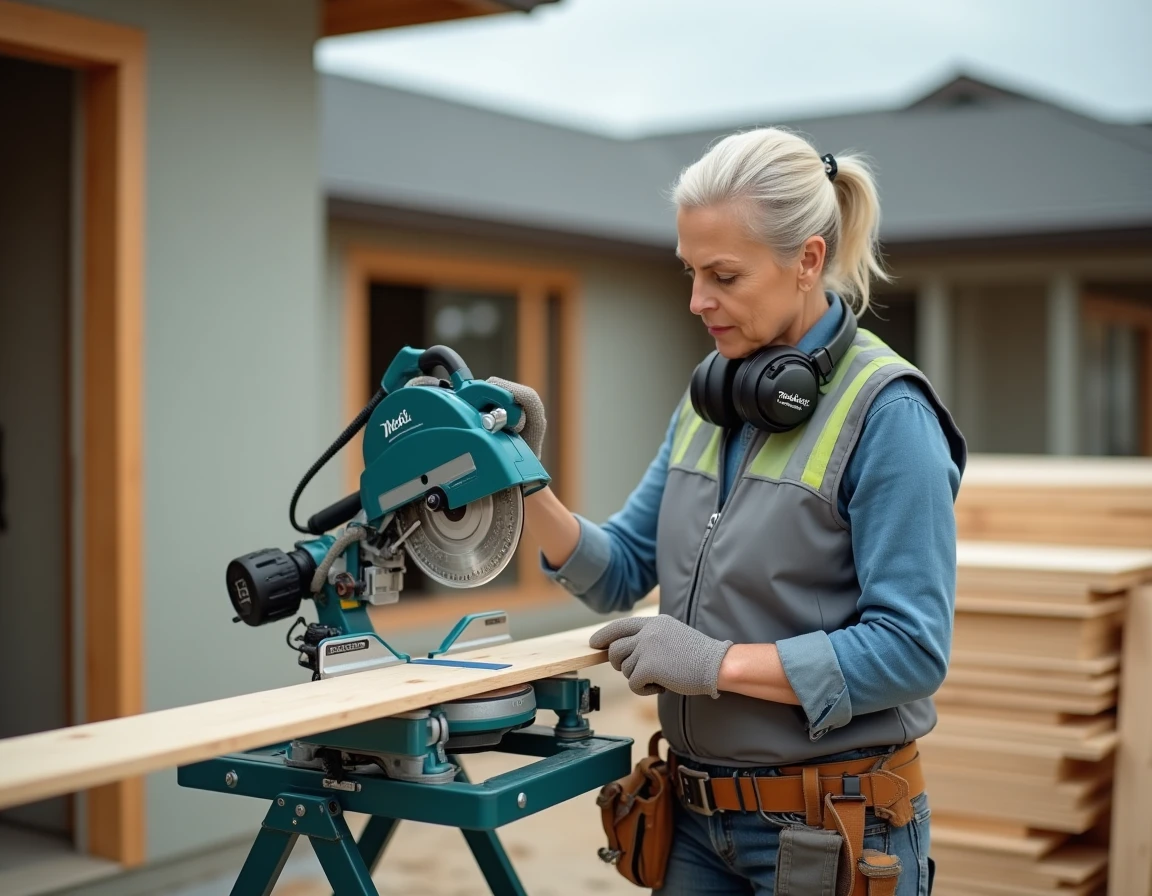
A miter saw is not a tool you buy and forget. The LS1018L requires regular maintenance to remain reliable. Cleaning the slides and lubricating them after each extended session prevents premature mechanical play from developing.
Replacing the original blade with a fine-toothed blade significantly improves the cutting quality on softwoods and melamine. Compatibility with 260 mm blades to the Makita standard makes this choice easier, but check the bore before purchasing a third-party blade.
Another point to watch: the motor brushes. With regular use, they wear out and need to be replaced. Accessing the brushes on the LS1018L is relatively straightforward compared to other models, allowing you to perform the operation yourself without disassembling half the machine.
Should you still buy the Makita LS1018L or switch to the LS1019L?
The question deserves to be asked directly. The LS1018L remains a good purchase if you find it at a reduced price and are willing to monitor the availability of parts. Its mechanics are well-known, its limits are documented, and it largely meets the needs of an experienced DIYer or occasional craftsman.
If you are starting from scratch and the budget allows, the LS1019L offers a smaller footprint thanks to its redesigned sliding system, a concrete advantage in a narrow workshop. The choice mainly depends on the available space and the observed price at the time of purchase.
In either case, it is a Makita miter saw with the quality of manufacturing associated with the brand. The LS1018L holds its own against current models, provided you do not expect from it what a machine twice as expensive would offer.