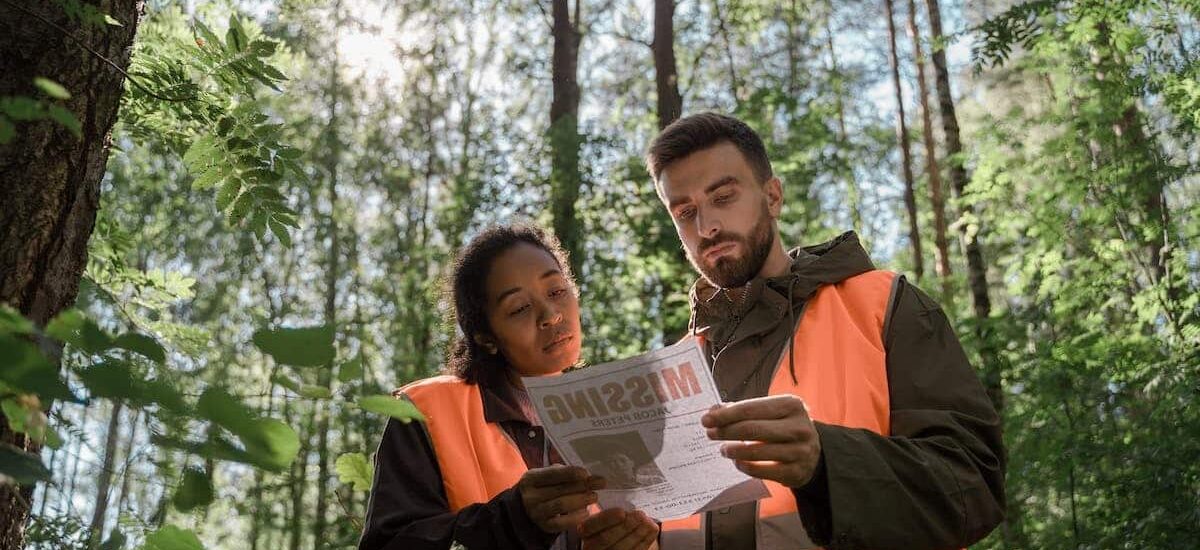
In a resolutely digital age, technology offers impressive tools to solve the mysteries of everyday life. One of these is the ability to find a person from a simple photograph. Whether it’s to reconnect with an old friend spotted on the street, locate a familiar face captured at a public event, or even assist law enforcement in identifying an individual as part of an investigation, this fascinating technology can prove useful. Here are methods and tips for using a photo to find a person.
The power of a photo to find the missing
The method of detailed photo analysis is an effective way to find someone with a photo. It requires valuable clues about the person being sought.
A crucial step is to zoom in on the face and analyze each distinctive feature. Characteristics such as the shape of the face, the nose, the eyes, or even the hairstyle are elements that allow for easier identification.
It can be helpful to note any contextual information related to the photo: date, location, specific event… This information can help narrow down the search and thus increase the chances of quickly finding this person.
You need the photo before any in-depth analysis. By using specialized photo editing software, one can adjust the brightness and contrast to make the image clearer and thus facilitate its interpretation.
Despite all these clever methods for finding someone with a photo, it is essential to emphasize that this should not be done without cooperation with the relevant authorities. It is crucial to inform them immediately when a disappearance is suspected.
Using a photograph to find someone requires patience and meticulousness in analyzing the smallest details present in it. With precise methods and the use of specialized software, it is possible to identify a person and locate them. These techniques should always be used in collaboration with the relevant authorities to ensure an effective and legal search.
Detailed analysis: an effective method for identifying missing persons
To improve the quality of the photo and increase the chances of success in identifying a person, here are some tips to consider.
It is important to take into account additional details that could prove crucial in the identification process.
By using these tips to enhance the quality of the photo, you will significantly increase your chances of finding a sought-after person. It is essential to work closely with the relevant authorities to ensure a legal and ethical search.
Improving photo quality: essential tips
The use of facial recognition software represents a major advancement in the field of identifying individuals. These tools use sophisticated algorithms and exploit the unique features of the human face to match with other existing images.
Facial recognition technology relies on extracting various biometric information such as the distance between the eyes, the shape of the nose, the size of the lips, or even the overall structure of the face. By analyzing this data, the software can establish a unique facial signature for each individual.
Once this signature is created from a captured photo, it is possible to use this software to compare this signature with those stored in a vast database containing photos from various sources. This can include government databases, social networks, or even surveillance videos.
It should be noted that despite their power and sophistication, these software programs are not infallible. Accuracy varies depending on several factors such as the initial quality of the image used as a reference and its potential match with other images in the database.
Some controversies also surround the potential misuse of this technology. Ethical questions arise regarding its use, for example, when employed without explicit consent or without a clear legal framework defined by a given country.
Nevertheless, it is undeniable that facial recognition software allows for significant advancements in the search and identification of individuals. They represent a valuable tool for law enforcement in criminal investigations, as well as for resolving disappearances or when natural disasters occur.
The use of facial recognition software offers a new perspective on identification. While there are certainly challenges and limitations to consider, it is clear that this technology provides promising solutions in various fields such as public safety and judicial investigations.
Facial recognition: software to identify missing persons
In the complex process of searching for and identifying individuals from a photo, it is essential to emphasize the crucial importance of cooperation with the relevant authorities. Indeed, these agencies have the necessary resources to conduct thorough investigations and ensure a responsible and legal use of the collected data.
The collaboration between facial recognition experts and law enforcement establishes a solid network that facilitates coordination in searches. Authorities generally have privileged access to various types of databases containing relevant information about the individuals being sought. These databases may contain personal data such as official identifications, criminal records, or images taken during administrative or judicial recordings.
By sharing their specialized knowledge with the relevant authorities, experts help to broaden the investigative scope and improve the overall efficiency of the process. The combination of technical know-how and legal expertise allows investigations to progress quickly but also in accordance with the laws governing the protection of personal information.
Close cooperation with missing persons offices is essential for resolving certain humanitarian crises or urgent situations where every minute counts. The advanced technology offered by facial recognition can greatly accelerate the recovery of missing persons by comparing the image of an unknown person with those stored in a local, national, or international database.
This cooperation is not limited solely to national authorities; it can also extend to supranational organizations such as Interpol, which plays a crucial role in coordinating and exchanging information between countries. Through this international network, it is possible to quickly share crucial information to clarify complex cases of missing persons around the world.
The use of a photo to find a person requires close collaboration with the relevant authorities. The combination of technical expertise in facial recognition and legal know-how allows for faster searches and ensures responsible use of the collected data. This cooperation with national and supranational authorities is essential for resolving criminal investigations, searching for the missing, or effectively responding in case of various disasters, all while respecting the law.
Cooperation with authorities: a key element in the search for the missing
When using a photo to find a person, certain precautions must be taken to ensure the protection of the rights and privacy of the individuals involved. Here are some tips to follow:
Obtain informed consent: Before using a photo to identify or locate someone, ensure that you have obtained their explicit consent. It is essential to respect the right to privacy and the autonomy of individuals.
Ensure the authenticity and integrity of the photo: Carefully check the source and origin of the photo before any use. Avoid manipulated or altered images that could distort the results.
Maintain the confidentiality of sensitive information: When working with sensitive personal data, such as photos featuring minors or victims of a crime, ensure to protect their identity by blurring faces or using only the parts necessary for the investigation.
Properly manage collected data: Ensure that all information collected during the process is handled carefully and in accordance with the data protection laws in force in your country.
Remain vigilant against algorithmic biases: Facial recognition may present certain inherent biases related to gender, age, or physical appearance. It is essential to consider these limitations and be aware of the potential risks of discrimination.
Avoid uncontrolled dissemination of information: Limit the circulation of collected data and ensure that it does not fall into the wrong hands. Use secure platforms to store and share confidential information.
Respect national and international laws: Familiarize yourself with the regulations in your country regarding the use of photos to find a person. Some countries have adopted specific data protection laws that must be strictly adhered to.
By following these precautions, you contribute to ensuring an ethical and responsible use of facial recognition for the purpose of identifying or locating a person from a photo. It is important to remember that this technology should be used with caution, transparency, and in strict respect of individual fundamental rights.
Precautions to take: using photos with care to find a person
In the quest to find a person from a photo, several methods and tips can be used to maximize the chances of success. Here are some practical tips to guide you in this process:
Analyze visual elements: When you have a photo in your possession, take the time to carefully analyze all the visual elements present. Observe the details of the decor, clothing, or surrounding objects that could provide clues about the identity or location of the person being sought.
Use facial recognition: Facial recognition technology can be very helpful in certain cases. Today, there are various software and applications capable of identifying a person by comparing their physical features with a large amount of data available online.
Consult social networks: Social media is a real reservoir of information when it comes to finding someone from a photo. Conduct thorough searches on different networks like Facebook, Instagram, or LinkedIn to see if the person being sought has a public profile there.
Collaborate with experts: If your efforts do not yield results, it may be wise to enlist the help of specialized professionals such as private detectives or digital investigators who often have the skills and tools necessary to carry out this type of search.
Appeal to the public: In some cases, widely disseminating the photo to the general public can prove effective in obtaining information. Use social media, missing persons websites, or contact local media to seek their assistance.
Collaborate with the relevant authorities: If you are in an emergency situation or if the person being sought is involved in a criminal case, you must report the situation to law enforcement so they can provide assistance and conduct the investigation.
Maintain confidential communication: When you receive potentially useful information, ensure to maintain a confidential exchange with your sources to protect their safety and avoid any unwanted interference.
It is important to note that all these methods have limitations and must be used in strict compliance with the legal framework regarding privacy and data protection. You must consider the potential risks associated with the abusive or irresponsible use of such techniques.
Finding a person from a photo can be complex but not impossible thanks to technological advancements and certain know-how. By combining different methods with caution and responsibility, there is always a reasonable chance of success.